СТАНДАРТЫ И РУКОВОДСТВА ENQA 2015
Стандарты и руководства для обеспечения качества в Европейском пространстве высшего образования (ESG) были приняты министрами образования в 2005 году по предложению, подготовленному Европейской ассоциацией по обеспечению качества высшего образования (ENQA) в сотрудничестве с Европейским союзом студентов (ESU), Европейской ассоциацией высших учебных заведений (EURASHE) и Европейской ассоциацией университетов (EUA).
С 2005 года был достигнут значительный прогресс в сфере обеспечения качества, а также по другим направлениям деятельности Болонского процесса.
В связи с таким изменением контекста в 2012 году коммюнике министров призвало Группу Е4 (ENQA, ESU, EUA, EURASHE) в сотрудничестве с организациями Международного образования, Бизнес Европа и Европейским реестром обеспечения качества в высшем образовании (EQAR) подготовить проект пересмотренного ESG «с целью улучшения их ясности, применимости и полезности, в том числе области применения».
Разработка новой редакции ESG включала в себя несколько раундов консультаций с участием как ключевых заинтересованных организаций, так и министерств. Все полученные комментарии, предложения и рекомендации были тщательно проанализированы и приняты во внимание Руководящей группой (РГ). Они отражены в конечной версии стандартов и руководств для обеспечения качества в ЕПВО (ESG). Новые стандарты ESG были приняты на Конференции министров высшего образования в 2015 году в Ереване (Армения).
Оригинальный документ новых ESG 2015, его неофициальные переводы и дополнительная информация доступны на веб-сайте ENQA.
Независимое казахстанское агентство по обеспечению качества в образовании выполнило свой собственный неофициальный перевод ESG, который представлен ниже.
Стандарты и руководства ENQA 2015
Статьи
2017
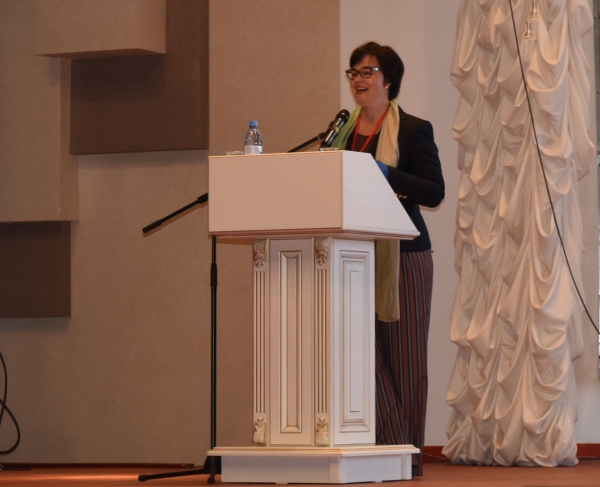
Каланова Ш.М., Независимая аккредитация и реализация принципов болонского процесса // Газета «Бiлiмдi ел - Образованная страна», от 20.08.2017.
2015
Каланова Ш.М., Дорогу осилит идущий // Газета "Казахстанская правда", -№113(27989) от 15.07.2015.
2013
Каланова Ш.М.,Будущее независимой аккредитации в Казахстане // Аккредитация в образовании, 2013. – № 63
2010
Каланова Ш.М., Обеспечение качества образования в Казахстане // Аккредитация в образовании, 2010. – № 38
Каланова Ш.М., В погоне за Гарвардом // Газета "Экспресс К", – № 410 (16797) от 31.07.2009.
2007
Каланова Ш.М., И в вуз не дуют!// Газета "Экспресс К", - № 132 (16280) от 21.07.2007.
2005
Каланова Ш.М., Зоркое око ЕСОКО // Аккредитация в образовании. - 2005. - N 3. - С. 6-9.
2001
Каланова Ш.М., Система аккредитации высших учебных заведений в США // Вестник Высшей школы Казахстана. 2001.- №6. -С.182-188
EXPERT COMMISSIONS
The Expert Commission is a collegial body that represents experts on institutional and program accreditation.
The main tasks of the expert commissions are to assist Agency staff in organizing the expert evaluation of external audit reports prepared by experts, and to provide recommendations for improving the existing database of qualified IQAA experts.
IQAA has established 9 Expert Commissions:
|
||||||||||||||||||||||||
|
||||||||||||||||||||||||
|
||||||||||||||||||||||||
|
||||||||||||||||||||||||
|
||||||||||||||||||||||||
|
||||||||||||||||||||||||
|
||||||||||||||||||||||||
|
||||||||||||||||||||||||
|
APPEALS COMMISSION
To ensure greater objectivity and validity of the decision-making on accreditation of educational organizations, the IQAA has established an Appeals Commission, which considers appeals on decisions of institutional or program accreditation, which is adopted by the Accreditation Council. The decision on the appeal is made in accordance with the regulations.
The Appeal Commission considers appeals of educational organizations received in writing on an official letterhead signed by the Head of the educational organization addressed to the President of the agency at the address: 010000, Astana, Dostyk str. 20, office 801, which is registered in the log of incoming information and transmitted to the Chairman of the Appeal Commission. Oral appeals are not accepted.
If the appeal contains issues that fall under the complaints procedure, the Appeals Commission refers these issues to the Complaints Commission for consideration.
All cases of appeal are carefully considered by the Appeal Commission, on which prompt decisions are made.

Kulyash Aidarkhanova Candidate of Juridical Sciences, Deputy Director of the School of Law and Public Administration, Narxoz University (NC JSC)
|
Yernar Begaliyev Doctor of Legal Sciences, Member of the Supreme Judicial Council of the Republic of Kazakhstan
|
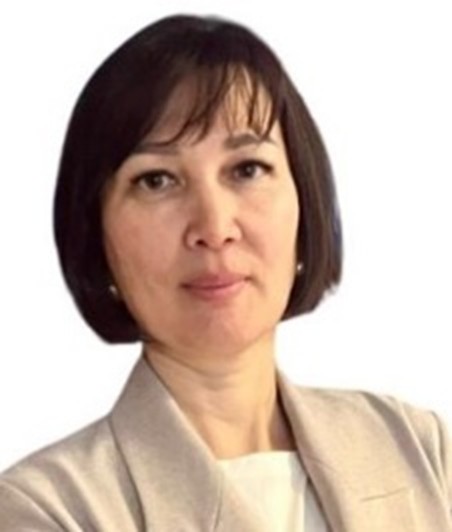
Zhanna Iskakova Doctor of Philosophy (PhD), Candidate of Legal Sciences, Associate Professor at the Higher School of Law of the Astana International University
|
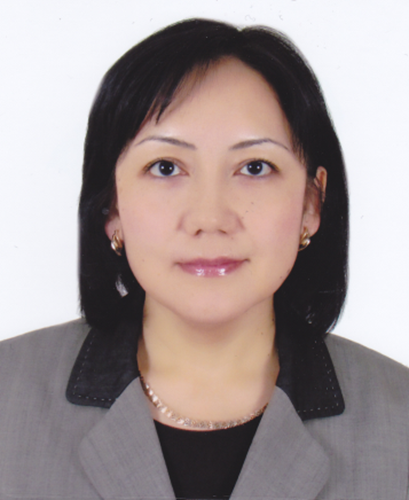
Meruert Muratkhanova Candidate of Legal Sciences, Associate Professor of the Department of Criminal Law Disciplines, Faculty of Law, L.N. Gumilyov Eurasian National University
|
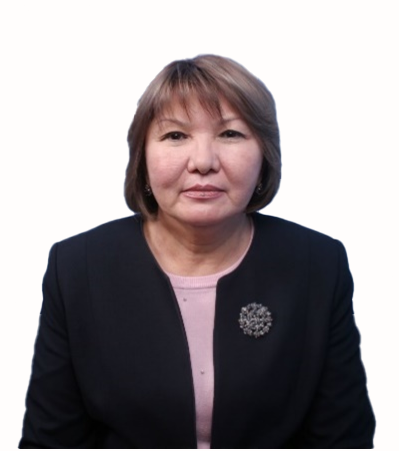
Kaliya Sartayeva Candidate of Juridical Sciences, Professor of the Department of Criminal Law and Criminal Procedure, M. Auezov South Kazakhstan University
|
БОЛОН ПРОЦЕСІ

Болон процесі – жалпы қызмет принциптеріне негізделген жоғары білімнің біріңғай еуропалық жүйесінің құрылу процесі.
Болон реформалары «нәтижелерге бағытталу» және «студенттікорталықтандырылған оқыту» терминдерімен сипатталады. Бұл жерде сөз, оқыту нәтижелерін кең мағынада түсінуде болып отыр. Осы терминдер ECTS, модуляризациямен және институционалдық еркіндікпен байланыста болуды болжай отырып, педагогикалық практиканың алға жылжуының негізгі элементтері болуы керек.
Болон процесінің үш деңгейінің арасында баланс болу керек: өкіметке, жоғары оқу орындарына және студенттерге қатысты еуропалық деңгейде белгіленген мақсаттар; процесті жүзеге асырудағы жоолардың алатын негізгі рөлі; ұлттық стратегиялардың рөлі және алдыңғы екі деңгейдің бірігуіндегі және әрбір елдегі процестерге көмек көрсетудегі заңдылықтар.
Болон процесі – еуропа аймағындағы жоғары білім беруді және ғылыми зерттеулерді қорғау және жақсарту құралы, мөлдірлік пен мобильділікті көтеру құралы болып табылады. Болон процесі жоғары оқу орнының қоғамдағы орнын мойындайды және сапаға ерекше мән береді, бірақ сапаны қолдау мен оны жоғарылату, жүйе мен оның кадрларына берілетін мемлекеттік инвестицияны көтеруді талап ететіндігін айтады.
|
|
|
|
|
БОЛОН ПРОЦЕСІНІҢ НЕГІЗГІ ҚҰЖАТТАРЫ
Университеттердің Ұлы Хартиясы - бұл бастапқыда 1988 жылғы 18 қыркүйекте, Болонья университетінің 900-жылдығында, бүкіл Еуропа және одан тыс жоғары оқу орындарының 388 ректорлары мен басшылары қол қойған құжат.
Онда университеттерді тиімді басқаруға нұсқаулық ретінде академиялық еркіндік пен институционалды автономия қағидаттары қамтылған.
Ресурс: http://www.aic.lv/bolona/Bologna/maindoc/magna_carta_univ_.pdf
Орыс тіліндегі қысқаша нұсқасы: Еуропа Университеттерінің Ұлы Хартиясы
Веб-сайт: www.magna-charta.org
Сорбонна декларациясына 1998 жылы төрт елдің министрлері: Франция, Германия, Ұлыбритания және Италия қол қойды. Декларацияның мақсаты Еуропалық жоғары білім беру аймағында студенттер мен түлектер үшін де, оқытушылар құрамы үшін де ұтқырлықты ынталандыратын бірыңғай жүйені құру болды. Ол сонымен қатар еңбек нарығында кәсіби дамуды қамтамасыз етуі керек.
Ресурс: Сорбонна декларациясы (1998)
Орыс тіліндегі қысқаша нұсқасы: Сорбонна декларациясы (1998)
Веб-сайт: www.ehea.info
Сорбонна декларациясының мақсаттары 1999 жылы Болон декларациясымен бекітілді, онда 29 мемлекет Еуропалық жоғары білім беру аймағының бәсекеге қабілеттілігін арттыруға міндеттеме алуға дайын екендіктерін білдіріп, барлық жоғары оқу орындарының тәуелсіздігі мен автономиясын одан әрі нығайту қажеттігін көрсетті. Болон декларациясының барлық ережелері міндетті шарттың ережелері ретінде емес, ерікті үйлестіру процесінің шаралары ретінде тұжырымдалды.
Ресурс: Болон декларациясы (1999)
Орыс тіліндегі қысқаша нұсқасы: Болон декларациясы (1999)
Веб-сайт: www.ehea.info
Болон декларациясына қол қойылғаннан кейін екі жыл және Сорбонна декларациясынан үш жыл өткен соң, жоғары білімге жауапты және оған қол қойған 32 елдің өкілі болып табылатын еуропалық министрлер Прагада кездесіп, қол жеткізілген жетістіктерді қарап, алдағы жылдарға арналған бағыттар мен басымдықтарды белгіледі.
Министрлер 2010 жылға дейін Еуропалық жоғары білім аймағын құру мақсатына адалдықтарын растады. Осы кездесуді өткізу үшін Прага қаласын таңдау - бұл Еуропалық Одақтың кеңеюі аясында бүкіл Еуропаны осы үдеріске тарту жөніндегі олардың ерік-жігерінің белгісі.
Ресурс: Министрлер коммюникесі (Прага, 2001)
Орыс тіліндегі қысқаша нұсқасы: Министрлер коммюникесі (Прага, 2001)
Веб-сайт: www.ehea.info
2003 жылдың 19 қыркүйегінде Еуропаның 33 елінен жоғары білімге жауапты министрлер Берлинде бас қосты, олар Еуропалық жоғары білім кеңістігінің жүзеге асырылуын жеделдету мақсатында алға қойылған міндеттерді қарастырды және алдағы жылдарға арналған басымдықтар мен жаңа мақсаттарды белгіледі.
Ресурс: Министрлер коммюникесі (Берлин, 2003)
Орыс тіліндегі қысқаша нұсқасы: Министрлер коммюникесі (Берлин, 2003)
Веб-сайт: www.ehea.info
Еуропалық аймақтағы жоғары білім берудегі этикалық құндылықтар мен принциптер туралы Бухарест Декларациясы
Ресурс: https://www.google.ru/Bucharest+Declaration+2004+information
Орыс тіліндегі қысқаша нұсқасы: Бухарест декларациясы (2004)
Еуропалық жоғары білім беру аймағы - жоғары білімге жауапты Еуропалық министрлер конференциясының коммюникесінің мақсаттарына қол жеткізу, Берген, 19-20 мамыр 2005 ж.
Ресурс: Министрлер коммюникесі (Берген, 2005)
Орыс тіліндегі қысқаша нұсқасы: Министрлер коммюникесі (Берген, 2005)
Веб-сайт: www.ehea.info
Лондонның жоғары білім министрлерінің «Еуропалық жоғары білім аймағына қарай: жаһанданған әлемнің шақыруларына жауап беру» коммюникесі (Лондон, 18 мамыр 2007 ж.)
Ресурс:Министрлер коммюникесі (Лондон, 2007)
Орыс тіліндегі қысқаша нұсқасы: Министрлер коммюникесі (Лондон, 2007)
Веб-сайт: www.ehea.info
2009 жылдың 28 және 29 сәуірінде Болон процесінің 46 еліндегі жоғары білімге жауапты министрлер Левенде және Лувен-ла-Неведе Еуропалық жоғары білім кеңістігінің 2020 жылға дейінгі басымдықтарын белгілеу үшін бас қосты.
Ресурс: Министрлер коммюникесі (Левен, 2009)
Орыс тіліндегі қысқаша нұсқасы: Министрлер коммюникесі (Левен, 2009)
Веб-сайт: www.ehea.info
2010 жылдың 12 наурызында Болон процесіне қатысқан 47 елдің министрлері Будапешт-Вена декларациясын қабылдады және Еуропалық жоғары білім кеңістігін ресми түрде бастады.
Еуропалық жоғары білім беру аймағының министрлер конференциясы «Әлемдік білім қоғамын құру: жоғары білім берудегі жүйелік және институционалдық өзгерістер» тақырыбындағы Екінші Болон Саяси Форумы аясында әлемнің әр түкпіріндегі министрлермен кездесуге ұласты, Венаның Болонья саяси форумының мәлімдемесімен аяқталды.
Ресурс: Будапешт-Вена декларациясы (2010)
Орыс тіліндегі қысқаша нұсқасы: Будапешт-Вена декларациясы (2010)
Веб-сайт: www.ehea.info
2012 жылы Бухаресте өткен министрлер конференциясы Еуропалық жоғары білім беру аймағының, Еуропалық Комиссияның, сондай-ақ Болон процесінің консультативті мүшелері мен Болон тобындағы серіктестердің 47 делегациясының басын қосты. Кездесу Болон процесінің барысын қорытындылауға және болашақ саясаттың негізгі мәселелерін көрсетуге мүмкіндік берді. EHEA министрлері Болонья мақсаттарын 2020 жылға дейін ілгерілетуге міндеттеме алып, Бухаресттің министрлік коммюникесін қабылдады.
Ресурс: Бухарест коммюникесі (2012)
Орыс тіліндегі қысқаша нұсқасы: Бухарест коммюникесі (2012)
Министрлік іс-шараларға EHEA, Еуропалық Комиссияның 47 делегациясы, сондай-ақ Болон процесінің консультативті мүшелері мен серіктестері қатысты. 16 жылдық қарқынды жұмыстың нәтижесінде EHEA шындыққа айналды және осы жаһанданған және бәсекеге қабілетті ортада білім беру еуропалық қоғамдардың тұрақты дамуының кепілі болып табылатындығын дәлелдеді.
2015 жылғы Еревандағы министрлер конференциясы басқа мәселелермен қатар Болон процесін болашақта және 2020 жылдан кейін нығайтудың ең жақсы жолдарын анықтауға тырысты, сонымен бірге Еуропалық жоғары білім беру кеңістігінде және одан тыс жерлерде диалогты күшейтті.
Ресурс: Министрлер коммюникесі (Ереван, 2015)
Орыс тіліндегі қысқаша нұсқасы: Коммюнике министров (Ереван, 2015)
Веб-сайт: ehea.info
Бұл министрлер конференциясы Парижде 2018 жылғы 24-25 мамырда өтті. Ол Еуропалық жоғары білім беру аймағының (EHEA) делегациялары үшін ашық болды және, EHEA мүшелікке кіретін және кірмейтін елдер арасындағы диалогты жалғастыруға мүмкіндік берген, Болон саясаты форумын да қамтыды.
Рим министрлерінің коммюникесі Болон декларациясына қол қойылғаннан кейінгі 21 жылдағы жетістіктерді мерекелеу үшін 2020 жылдың 19 қарашасында онлайн режимінде өткізілді. Министрлер 2030 жылға қарай неғұрлым инклюзивті, инновациялық, өзара байланысты және орнықты еуропалық жоғары білім беру аймағын (EHEA) дамытуға өз міндеттемелерін растады. Министрлер үш қосымшаны қабылдады: академиялық еркіндік туралы мәлімдеме, жоғары білімнің әлеуметтік өлшемдеріне арналған принциптер мен нұсқаулар және жоғары оқу орындарында оқыту мен оқытуды жақсарту жөніндегі ұсыныстар. Олар Сан-Мариноны EHEA-ның 49-шы мүшесі ретінде қарсы алды.
Веб-сайт: ehea2020rome.it
MEMBERSHIP IN INTERNATIONAL NETWORKS
The European Association for Quality Assurance in Higher Education was established in 2000 as European Network for Quality Assurance in Higher Education to promote European co-operation in this field. The idea for the association originates from the European Pilot Project for Evaluating Quality in Higher Education (1994-1995) which demonstrated the value of sharing and developing experience in the area of quality assurance. Subsequently, the idea was given momentum by the Recommendation of the Council (September 24, 1998) on European co-operation in quality assurance in higher education and by the Bologna Declaration (1999). In November 2004 the General Assembly transformed the Network into the European Association for Quality Assurance in Higher Education (ENQA). The European Commission has, through grant support, financed the activities of ENQA since the very beginning.
ENQA Mission Statement
The mission of the European Association for Quality Assurance in Higher Education (ENQA) is to contribute significantly to the maintenance and enhancement of the quality of European higher education at a high level, and to act as a major driving force for the development of quality assurance across all the Bologna signatory countries.
ENQA’s Objectives
- to encourage and develop the exchange of information and experience relating to the quality assurance of higher education, in particular on methodological developments and examples of good practice;
- to function as a policy forum, developing and proposing standards, procedures and guidelines for quality assurance;
- to fulfil requests for expertise and advice from the European Ministers of Education, national and regional public authorities and other bodies associated with the European Higher Education Area (EHEA);
- to facilitate quality assurance activities in the area of transnational higher education;
- to promote the development and implementation of effective systems for quality assurance and accreditation agencies;
- to co-ordinate the management of reviews of quality assurance and accreditation agencies;
- to maintain and develop co-operation with other appropriate European stakeholder organisations;
- to contribute to the establishment of the EHEA;
- to conduct dialogues with other networks and regions.
ENQA Membership
The European Association for Quality Assurance in Higher Education is open for quality assurance agencies across all the Bologna signatory countries. ENQA has 2 levels of membership: Full and Full members under review. Besides, ENQA may approve affiliate requests within the ENQA to the organisations or agencies with a demonstrable interest in the quality assurance of higher education. To this date there are 60 full member agencies from 32 countries and 42 agencies and organisations from 29 countries having affiliate status.
Detailed information: Note from the President
Website: enqa.eu
The Network of Central and Eastern European Quality Assurance Agencies in Higher Education was founded on October 13, 2001 in Krakow, Poland, after the first meeting in Budapest, Hungary the year before. CEENQA was legally registered in Düsseldorf, Germany on July 4, 2011.
The CEE Network is a non-governmental and non-profit organization. Currently it has 46 members from 27 countries.
According to its Statutes, "The purpose of the Association is the cooperation between the member organizations in the development and harmonization of their activities in the field of quality assurance and quality improvement in higher education in Central and Eastern Europe, thereby making a contribution towards the development and implementation of the European Higher Education Area".
Detailed information: CEENQA
Website: www.ceenetwork.hu
The International Network for Quality Assurance Agencies in Higher Education (INQAAHE) was established in 1991. INQAAHE is a global network, which is recognized by the UNESCO and World Bank, organisations active in the theory and practice of quality assurance in higher education worldwide.
INQAAHE Mission Statement: INQAAHE is a global network of quality assurance agencies in higher education. It exists to enable quality assurance agencies to share information and experiences; lead the theoretical and practical foundations of the profession; develop and promote standards of professional practice in QA; and encourage and assist continuous improvement in member agencies, including professional development and capacity-building for the benefit of HE institutions, their students and societies.
INQAAHE’s Objectives:
- to create, collect and disseminate information on current and developing theory and practice in the assessment, improvement and maintenance of quality in higher education;
- to undertake or commission research in the areas relevant to quality in higher education;
- to express the collective views of its members on matters relevant to quality in higher education through contacts with international bodies and by other means;
- to promote the theory and practice of the improvement of quality in higher education;
- to provide advice and expertise to assist existing and emerging quality assurance agencies;
- to facilitate links between the quality assurance agencies and support networks of quality assurance agencies;
- to assist members to determine the standards of institutions operating across national borders and facilitate better-informed international recognition of qualifications;
- to assist in the development and use of credit transfer and credit accumulation schemes to enhance the mobility of students between the institutions (within and across national borders);
- to enable members to be alert to improper quality assurance practices and organisations;
- to organise, upon request, reviews of the operation of members.
INQAAHE Membership:
The membership in Network could be of three categories: Full, Associate and Affiliate.
Full Members are the organisations responsible for assuring the academic quality of post-secondary institutions or education programmes other than their own (such as: accrediting agencies; evaluation agencies and similar organisations; and those bodies responsible for the external quality assurance of such agencies).
Associate Members are organisations with a major interest in evaluation, accreditation and quality assurance in higher education, but without the responsibility for assuring quality of institutions or education programmes.
Affiliates are persons with a major interest in evaluation, accreditation and quality assurance in higher education. All members may participate in the Governing Bodies of the Network and in the General Assembly, but only Full members have the right to vote.
Today INQAAHE has 203 Full Members, 95 Associate Members and 14 Affiliates.
Website: www.inqaahe.org
The Asia-Pacific Quality Network (APQN) was founded in 2003 with the purpose of serving the needs of quality assurance agencies in higher education in a region that contains over half of the world's population. APQN functions as a regional network of the International Network for Quality Assurance Agencies in Higher Education (INQAAHE). The Asia-Pacific Quality Network was established with the support from the World Bank and UNESCO.
APQN Mission Statement: to enhance the quality of higher education in Asia and the Pacific region through strengthening the work of quality assurance agencies and extending the cooperation between them.
APQN’s Objectives:
- to promote good practice in the maintenance and improvement of quality in higher education in the Asia-Pacific region;
- to facilitate research in the region into the practice of quality management in higher education and its effectiveness in improving the quality of higher education in the region;
- to provide advice and expertise to assist the development of new quality assurance agencies in the region;
- to facilitate links between the quality assurance agencies and acceptance of each others' decisions and judgements;
- to assist members of APQN to determine the standards of institutions operating across national borders;
- to permit better-informed international recognition of qualifications throughout the region;
- to assist in the development and use of credit transfer schemes to enhance the mobility of students between institutions both within and across the national borders;
- to enable members of APQN to be alert to dubious accrediting practices and organisations; and where appropriate, represent the region and promote the interests of the region, e.g. vis-à-vis other networks and international organisations.
APQN Membership:
According to the Membership Criteria, the agencies in APQN could have four levels of membership: Full Member, Intermediate Member, Associate Member and Institutional Member. Moreover, APQN also offers “Observer Status” for organizations, outside the Asia-Pacific region. Only Full and Intermediate Members are eligible to participate in the governance and administration of APQN. Associate and Institutional Members may participate in the Annual General Meeting (AGM) and other meetings of the General Council, but without the right to vote.
At this moment there are 174 member-organizations: 37 Full Members, 21 Intermediate Members, 10 Associate Members and 106 Institutional Members. In addition, there are 8 observer organizations (Croatia - 1, Germany - 1, Kuwait - 1, Saudi Arabia - 1, Thailand - 2 and the United Kingdom - 2).
The complete list of members with the name of the organization, member level, Internet- websites and other contact information can be viewed at APQN website: www.apqn.org
CHEA International Quality Group of the Council for Higher Education Accreditation (CHEA) was established in September 2012.
CHEA International Quality Group (CIQG) promotes understanding of ensuring international quality and promotes the high quality of higher education in today's competitive and international world.
CIQG Membership is open to higher education institutions, associations of higher education, national bodies for quality assurance and accreditation, government agencies, corporations, businesses, foundations and individuals around the world.
CHEA International Quality Group (CIQG) involves the participation of the leading global accreditation agencies.
http://www.cheainternational.org
The Council for Higher Education Accreditation (CHEA) is the oldest network of accrediting agencies in the world, which has been functioning for nearly 80 years.
CHEA is one of the world leaders and a national leader in the USA in the independent quality assessment and quality assurance of education.
CHEA is an independent and non-governmental association of the United States, which consists of 3,000 traditional universities, establishing quality standards and accreditation. In its turn, this Council delegates authority to 60 organizations around the world, which deal with independent quality assessment of education.
The Global Academic Integrity Network (GAIN), an international partnership between the Quality and Qualifications Agency of Ireland (QQI) and the Higher Education Quality and Standards Agency of Australia (TEQSA), is joining forces to tackle the rise of commercial academic fraud services targeting students around the world and is working with similar agencies around the world to root out commercial fraudulent operations that have flourished in recent years as online learning has become more prevalent.
With support from the United Nations Educational, Scientific and Cultural Organization (UNESCO), higher and further education regulators and other organisations with an interest in upholding academic integrity are collaborating to protect the reputation and effectiveness of national skills, qualifications and education systems.
Quality assurance agencies and education providers are already working to educate students, staff and other stakeholders about the risks of fraud and to support a culture of academic integrity on campus.
GAIN shares best practices in anti-cheat resources and research to help students, faculty, and institutions learn about the integrity risks associated with these unethical practices and stay informed about emerging threats.
The International Council Advancing Independent School Accreditation (ICAISA) is a global membership organization committed to ensuring quality and accountability in the accreditation of K–12 independent and international schools worldwide. ICAISA members are accrediting associations that undergo regular peer-review processes and demonstrate alignment with the organization’s Guiding Principles. The recognition process follows a ten-year cycle, including a five-year interim review and annual reporting, ensuring continuous improvement and high standards.
ICAISA also serves as a professional platform for collaboration, bringing together leaders in accreditation and providing access to resources, expert guidance, and the exchange of best practices. The organization was established in 2002 as an initiative of NAIS and has operated as an independent nonprofit organization since 2018.
ICAISA Mission
ICAISA is the international leader in independent school accreditation. By working directly with accrediting associations, ICAISA advances excellence and upholds standards in order to ensure quality and accountability in independent schools across the globe.
ICAISA Vision
ICAISA has a transformative impact on the independent school landscape by advancing accreditation globally.
INTERNATIONAL PARTNERS
The Quality Assurance Agency for Higher Education (QAA), the United Kingdom
Accreditation Council for Business Schools and Programs (ACBSP)
Aragon Agency for Quality Assurance and Strategic Foresight in Higher Education (ACPUA)

National Agency for Quality Assurance in Education and Research (ANACIP)
National Center for Professional Education Quality Assurance (ANQA, Armenia)
Agency for Quality Assurance and Accreditation Austria (AQ)

Accreditation Agency for Degree Programs in Engineering, Informatics/Computer Science, the Natural Sciences (ASIIN)

Estonian Quality Agency for Education (HAKA)

Foundation for International Business Administration Accreditation (FIBAA)
French High Council for Evaluation of Research and Higher Education (Hcéres)

Middle State Association of Colleges and Schools-Commisions on Elementary and Secondary Schools (MSA-CESS)

National Accreditation Agency (NAA)

National Centre for Public Accreditation (NCPA)
Polish Accreditation Committee (PKA)
Centre for Quality Assessment in Higher Education (SKVC)
The Agency for Quality Assurance in Education under the Ministry of Education of the Republic of Azerbaijan (TKTA)

Agency for Accreditation of Educational Programs and Organizations (AAOПO)
COOPERATION AT THE NATIONAL LEVEL
IQAA's activities are based on the principles of social partnership with the MoES of the Republic of Kazakhstan, National Chamber of Entrepreneurs of the Republic of Kazakhstan "Atameken", National Chamber of Industry, Association of Entrepreneurs of Nur-Sultan, "Information and Analytical Center" of the MES of the Republic of Kazakhstan, National Testing Center of the MES of the Republic of Kazakhstan, Center for the Bologna Process and Academic Mobility of the MoES of the Republic of Kazakhstan, Center for International Programs "Bolashak" of the MoES of the Republic of Kazakhstan, Financial Center, universities, research institutes, colleges, professional associations of employers, as well as consumers of educational services.

RSE "National Testing Center"
go to website
JSC "Information-Analytic Center"
go to website
Higher Education Development National Center
go to website
JSC "Center for International Programmes"
go to website
LLP "Astana Development Center"
go to website
Alliance of Students of Kazakhstan
go to website
National Economic Chamber of Kazakhstan "Atameken" Union"
go to website
The union of industrialists and entrepreneurs "National Industrial Chamber of Kazakhstan"
go to website
Kazakhstan Association of IT Companies
go to website
Kazakhstan Machine-Building Union
go to website
Association of Light Industry Enterprises of Kazakhstan
go to website
Union of Builders of the Republic of Kazakhstan and Central Asia
go to website


Kazakhstan Taxpayers Association
go to website
International Road Transport Union of the Republic of Kazakhstan (KazATO)
go to website
Kazakhstan association of Wagon (Container) Carriers and Operators KAZAPO
go to website
Union of Automobile Industry Enterprises of Kazakhstan "KazaAvtoProm"
go to website
National Telecommunications Association of Kazakhstan
go to website
Association of Legal Entities “Republican Association of Mining and Metallurgical Enterprises” (AMME)
go to website

Association of Manufacturers of Furniture and Woodworking Industry of the Republic of Kazakhstan
go to website
Kazakhstan Institute of Standardization and Metrology
go to website
Regional Chamber of Entrepreneurs in Nur-Sultan
go to websiteБОС ЖҰМЫС ОРЫНДАРЫ
Бос лауазымдарға орналасу байқау негізінде жүзеге асырылады. Жүзеге асырылатын қызмет шеңберінде немесе жұмыстың ерекше түрлерінде жүктеме ұлғай,анда қосымша құзыреттерді тарту қажеттілігі туындаса жаңа орындар құрылады.
- Жаңа қызметкерлерді іріктеу кезінде IQAA келесі негізгі талаптарды ұстанады:
- жоғары білім беру жүйесіндегі жұмыс тәжірибесі (академиялық, әкімшілік-басқарушылық);
- жетекші отандық және/немесе шетелдік жоғары оқу орындарында алған ғылыми дәрежесінің және/немесе ғылыми атағының не академиялық дәрежесінің болуы;
- білім беру саласындағы ғылыми-зерттеу қызметі;
- кәсіби этика;
- жоғары коммуникативті дағдылары;
- мемлекеттік және орыс тілдерін меңгерудің жоғары деңгейі;
- ағылшын тілін білу.
Өзекті бос жұмыс орындары туралы хабарландырулар осы жерде орналастырылады. Түйіндемені +7(7172) 27-38-20 факсіне немесе This email address is being protected from spambots. You need JavaScript enabled to view it. электронды поштасына жіберу керек.
More...
БАСШЫЛЫҚ
|
Аты-жөні |
Қызметі |
Телефон |
Пошта |
|---|---|---|---|
|
Шолпан Муртазовна Каланова |
IQAA Президенті |
+7 (7172) |
This email address is being protected from spambots. You need JavaScript enabled to view it. |
|
Карлыгаш Мухареденовна Джигитчеева |
Білім беру мекемелерін және ҒЗИ аккредиттеу департаментінің директоры |
+7 (7172) |
This email address is being protected from spambots. You need JavaScript enabled to view it. |
|
Гульмира Токтаровна Жумадилова |
Талдау және сапа департаментінің директоры |
+7 (7172) |
This email address is being protected from spambots. You need JavaScript enabled to view it. |
|
Макажанова Асель Муратбековна |
Мектепке дейінгі және орта білім беру ұйымдарын аккредиттеу департаментінің директоры |
+7 (7172) |
This email address is being protected from spambots. You need JavaScript enabled to view it. |
|
Даулет Муратович Каланов |
Әкімшілік басқару және халықаралық ынтымақтастық департаментінің директоры |
+7 (7172) |
This email address is being protected from spambots. You need JavaScript enabled to view it. |
|
Маржан Алматовна Ерманова |
Мәліметтер базалары және ақпараттық технологиялар департаментінің директоры |
+7 (7172) |
This email address is being protected from spambots. You need JavaScript enabled to view it. |
ХАЛЫҚАРАЛЫҚ ЖЕЛІЛЕРДЕГІ МҮШЕЛІК
Жоғары білім беру сапасын қамтамасыздандырудың Еуропалық қауымдастығының (The European Association for Quality Assurance in Higher Education - ENQA), жоғары білім саласындағы сапаны қамтамасыздандырудың Еуропалық желісі ретінде, еуропа елдерінің осы саладағы ынтымақтастығын дамыту үшін 2000 жылы құрылды. Осындай мекеменің құрылуына, жүзеге асыру нәтижесінде сапаны қамтамасыздандыру саласындағы тәжірибе алмасудың маңыздылығын бірінші жоспарға қойған, жоғары білім сапасын бағалау бойынша еуропалық пилоттық жоба себеп болды (1994 – 1995 жж.). Жоғары білімнің сапаны қамтамасыздандыру саласындағы еуропалық ынтымақтастық идеясы, 1998 ж.
24 қырқүйекте, Еуропалық кеңес Ұсыныстарында және Болон декларациясында (1999 ж.) орын алған Еуропалық кеңестің сүйемелдеуіне ие болды. 2004 ж. қараша айында желінің Бас Ассамблеясында аталмыш ұйымды «жоғары білімдегі сапаны қамтамасыздандырудың Еуропалық ассоциациясы» - деп өзгерту туралы шешім қабылданды. ENQA құрылған күннен бастап, оның жұмысын Еуропалық комиссия қаржыландырады.
ENQA миссиясы
Жоғары білім беру сапасын қамтамасыздандырудың Еуропалық қауымдастығының миссиясы (ENQA) еуропалық білім саласының сапасын биік деңгейге көтеру және көмек көрсет. Болон декларациясына қол қойған барлық елдерде сапаны қамтамасыздандыруды жетілдіру ENQA-ның міндеті.
ENQA міндеттері
- Әсіресе әдістемелік зерттеулер мен ең үздік практика алмасу салаларында ақпараттар мен тәжірибе алмасуға көмек көрсету және дамыту;
- Сапаны қамтамасыздандыру саласында жасалынған және бекітілген стандарттарды, процедуралар мен нұсқауларды саяси форум ретінде жүзеге асыру;
- Болон процесінің шеңберінде жұмыс істейтін еуропа елдерінің білім министрлерінің, мемлекеттік билік өкілдерінің ұлттық және аймақтық органдары және басқа да инстанциялардың сұраулары бойынша сараптамалар мен консультацияларды өткізу;
- Трансұлттық еуропалық жоғары білім саласындағы сапаны қамтамасыздандыру процедураларының дамуына көмек көрсету;
- Сапаны қамтамасыздандырудың тиімді жүйесінің және аккредиттеу агенттіктерінің жүзеге асуына және дамуына болысу;
- Сапаны қамтамасыздандыру жүйесі мен аккредиттеу агенттіктерінің сараптамалық тексерулерін үйлестіру;
- Басқа да сәйкесті еуропалық мекемелермен және қызығушылық танытушылармен ынтымақтастықты сүйемелдеу және дамыту;
- Жоғары білімнің еуропалық кеңістігінің құрылуына үлес қосу;
- Басқа желілермен және аймақтармен келіссөздер жүргізу.
ENQA мүшелілігі
Болон декларациясына қол қойған елдердің сапаны қамтамасыздандыру агенттіктерімен ынтымақтастық орнатуға, ENQA жоғары білімнің сапаны қамтамасыздандырудың Еуропалық ассоциациясының есігі ашық. ENQA мүшеліліктің екі типіне де ие: толық және кандидат мәртебесіндегі мүшелілік. Сонымен қатар, Ассоциация сапаны қамтамасыздандыру агенттіктеріне ассоциацияланған немесе афиллирацияланған мәртебелерін бере алады. Қазіргі таңда ENQA 28 мемлекеттен 51 агенттік толыққанды және 35 мемлекеттен 51 ұйым аффилирленген мүшесі мәртебесіне ие.
Толығырақ: http://www.enqa.eu/files/ENQA%20regulations%20version%20290909.pdf сайтынан біле аласыз
Веб-сайт: http://enqa.eu/{/spoiler}
Орталық және Шығыс Еуропа мемлекеттерінің жоғары білім беру саласындағы сапаны қамтамасыздандыру бойынша агенттік желісі 2001 жылы 13-қазанда Краков қаласында (Польша) Будапешт қаласындағы (Венгрия) алғашқы кездесуден кейін бір жыл бұрын құрылды. CEENQA 2011 жылғы 4-шілдеде Дюссельдорф қаласында (Германия) ресми тіркелген болатын.
Орталық және Шығыс Еуропа мемлекеттерінің жоғары білім беру саласындағы сапаны қамтамасыздандыру бойынша агенттік желісі 2001 жылы 13-қазанда Краков қаласында (Польша) Будапешт қаласындағы (Венгрия) алғашқы кездесуден кейін бір жыл бұрын құрылды. CEENQA 2011 жылғы 4-шілдеде Дюссельдорф қаласында (Германия) ресми тіркелген болатын. CEENQA үкіметтік емес және коммерциялық емес ұйым болып табылады. CEENQA жарғысына сәйкес оның мақсаты: "Орталық және Шығыс Еуропада жоғары білім беру сапасын қамтамасыз ету және жетілдіру салаларында желінің қызметін әзірлеу мен келісуде мүше-ұйымдардың арасындағы ынтымақтастық, осылайша, Еуропалық білім беру кеңістігінде әзірлеу мен ендіруге ықпал ету» болып табылады.
Толығырақ: O CEENQA
Веб-сайт: www.ceenetwork.hu
Жоғары білім сапасын қамтамасыздандыру агенттіктерінің Халықаралық желісі (the International Network for Quality Assurance Agencies in Higher Education, INQAAHE) 1991 жылы құрылды, қазіргі таңда ( тамыз,2011 ж.) 260 жуық мүшесі бар. INQAAHE желісі дүниежүзінде жоғары білім сапасын бағалау саласында теория және практика сұрақтарымен айналысатын ЮНЕСКО ұйымы және Дүниежүзілік даму банкі құптаған, ірі масштабты желі болып табылады.
INQAAHE миссиясы: INQAAHE – жоғары білім сапасын қамтамасыздандыру агенттіктерінің ең ірі желісі. Ол сапаны қамтамасыздандыру агенттіктеріне өзара ақпараттар мен тәжірибелер алмасуларына жәрдем береді; аталмыш салада теория мен практиканы дамытуды сүйемелдейді; сапаны қамтамасыздандыру стандарттарын, кәсіби практикаларын жасайды және оларды жүзеге асырады; агенттіктердің, INQAAHE мүшелерінің, сонымен қатар, жоо, студенттер мен қоғамның мүддесінде кәсіби даму мен потенциалды өсіру жұмыстарының барлық уақытта жақсаруына көмектеседі және ынталандырады.
INQAAHE мақсаттары:
- Жоғары білім сапасын бағалау, жақсарту және сүйемелдеу саласында теория мен практиканың ағымдағы жағдайы және жаңа зерттеулер туралы ақпараттарды жинау және тарату;
- Жоғары білім сапасын қамтамасыздандыру жүйесінің мүддесін көздейтін салаларда ғылыми зерттеулерді ұйымдастыру;
- Халықаралық ұйымдармен және т.б. араласу арқылы, жоғары білім сапасын қамтамасыздандыру жүйесінің мүддесін көздейтін сұрақтар бойынша өзінің мүшелерінің ұйымдық ой-пікірлерін көрсету;
- Жоғары білім сапасын жақсарту сұрақтары бойынша теория мен практикаға көмек көрсету;
- Агенттіктерде консультациялар мен сараптамалар өткізу, сапаны қамтамасыздандыру сұрақтары бойынша жаңа агенттіктердің дамуына көмек көрсету;
- Сапаны қамтамасыздандыру сұрақтары бойынша агенттіктердің арасындағы өзара байланыстарға көмек көрсету және жоғары білім сапасын қамтамасыздандыру агенттіктерінің желілерін сүйемелдеу;
- Ұлттық шекарадан тыс орналасқан жооға жұмыс стандарттарын анықтауда желі мүшелеріне көмек көрсету және халықаралық біліктілікті құптау сұрақтары бойынша толық ақпараттар алуға жәрдемдесу;
- Кредиттік бірліктердің зачеттық технологиясын, сонымен қатар, ел ішінде және шетелдерде студенттердің мобильділігін қамтамасыздандырудың кредиттерді жинау схемасын дамытуға және пайдалануға көмек көрсету;
- Күдік тудыратын аккредиттік ұйымдар және қиянатшыл практикалар туралы желі мүшелерін ескерту;
- INQAAHE мүшелерінің сұрауы бойынша, INQAAHE агенттігінің мүшелерінің жұмыстарының сыртқы тексеруін ұйымдастыру.
INQAAHE мүшелік:
INQAAHE желісіне мүшелік үш типті болуы мүмкін: толық, ассоциацияланған және афиллирацияланған.
ЖООның немесе білім бағдарламаларының сапасын бағалауға жауапты ұйымдар ( аккредиттік агенттіктері; бағалау жүргізетін агенттіктер және соған ұқсас ұйымдар; аккредиттік агенттіктерінің жұмыстарын құптаумен айналысатын органдар) INQAAHE желісіне толық мүше бола алады.
Ассоциацияланған мүшелік – бағалау, аккредиттеу және жоғары білім сапасын қамтамасыздандыруға үлкен қызығушылық танытқан, бірақ жоо немесе бағдарламалар сапасын қамтамасыздандыру процедураларына қатыспайтын ұйымдар.
Афиллирациаланған мүшелік – бұл бағалау, аккредиттеу және жоғары білім саласындағы сапаны қамтамасыздандыру мәселелерімен қызығатын жеке тұлғалар. Желінің барлық мүшелері басқару органдарының құрамына қабылдана алады және Бас Ассамблея жұмыстарына қатыса алады, бірақ шешім қабылдағанда тек толыққұқылы мүшелер ғана дауыс бере алады.
Бүгінгі таңда INQAAHE құрамында 92 елден келген 283 мүшелер бар: 181 – толық, 90 – ассоциацияланған және 12 – аффилирацияланған мүшелер.
Желі сайтында ұйымның аты, web-сайты және басқа да мәліметтері көрсетілген INQAAHE мүшелерінің толық тізімі бар www.inqaahe.org
Сапаны қамтамасыздандырудың Азиялық-Тынықмұхиттық желісі(the Asia-Pacific Quality Network, APQN), дүниежүзінің жартысынан астам халықтарыны өмір сүріп жатқан аймақтарында орналасқан агенттіктердің жоғары білім саласының сапасын қамтамасыздандыру үшін 2003 жылы құрылды. APQN жоғары білім сапасын қамтамасыздандырудың Халықаралық агенттіктері желісінің (INQAAHE) аймақтық желісі ретінде жұмыс жасайды. APQN желісі Дүниежүзілік банктың және ЮНЕСКОның сүйемелдеуімен құрылды.
APQN миссиясы:Азиялық-Тынықмұхиты аймақтарында сапаны қамтамасыздандыру агенттіктерінің жұмыстарын дамыту және олардың арасындағы ынтымақтастықты кеңейту арқылы жоғары білім сапасын жақсарту.
APQN мақсаттары:
- Азия-Тынықмұхиты аймағында жоғары білім сапасына көмек көрсету және оны жақсарту үшін жақсы тәжірибелерді таратуға ықпал ету;
- Жоғары білім сапасын басқару саласындағы зерттеулерге және аймақтағы жоғары білім сапасын жақсарту мақсатында олардың тиімді пайдаланылуына ықпал ету;
- Аймақта білім сапасы бойынша жаңа агенттіктерді құруға ақпараттар беру және көмек көрсету;
- Білім сапасы агенттіктерінің арасындағы ынтымақтастыққа, сонымен қатар шешімдер мен бағалауларды екіжақты құптауға ықпал ету;
- APQN мүшелеріне ұлттық жүйе шеңберінде оқу орындарының стандарттарын анықтауға көмек көрсету;
- Аймақта біліктілікті халықаралық құптауға жәрдем беру;
- Кредиттік трансферттік схемаларын дамытуға және пайдалануға көмек көрсету, ұлттық шекара ішінде де, сыртында да студенттердің мобильділігіне жәрдем ету;
- APQN мүшелерін күдікті аккредиттік ұйымдар туралы хабардар ету;
- Аймақты таныстыру және олардың мүддесіне жәрдем беру, мысалы, басқа желілердің және халықаралық мекемелердің арсында.
APQN мүшелігі:
Мүшелік критерийлеріне сәйкес, APQN желісінің құрамына кіретін агенттәіктер мүшеліліктің төрт типін иемденулері мүмкін: толық және арадағы мүшелік, ассоциацияланған, және институционалды мүшелік. Сонымен қатар, APQN мүшелік, Азиялық-Тынықмұхиттық аймаққа кірмейтін елдер үшін «бақылаушы» мәртебесіне де ие. Тек APQN толық мүшелері және аралық мүшелері ассоциацияның басқарушы органдарының жұмыстарына қатыса алады, ал ассоциацияланған және институционалды мүшелер, Бас Кеңестің әржылдық жалпы жиналысына және басқа да отырыстарына қатыса алады, бірақ олар дауыс беру құқығына ие бола алмайды. Қазіргі таңда APQN желісінің құрамына Азиялық-Тынықмұхиттық аймақтың 53 елінің 159 ұжымы: 36 толық мүшелер, аралық мәртебеге ие 20 агенттік, 9 ассоциацияланған мүше және желінің институционалдық мүшесі мәртебесіне ие 94 ұжымы кіреді. Сегіз мекеме бақылаушы болып табылады (Хорватия - 1, Сауд Арабиясы - 1, Ұлыбритания - 2, Германия - 1, Кувейт - 1,Тайланд - 2).
APQN желісінің сайтына ұйымның аты, елі, мүшелік типі, интернет-сайты және басқа да контактілі ақпараттары көрсетілген APQN желісі мүшелерінің толық тізімі кірген: www.apqn.org
Тәуелсіз мектептерді аккредиттеуді дамыту жөніндегі халықаралық кеңес (ICAISA) — бүкіл әлем бойынша K–12 деңгейіндегі тәуелсіз және халықаралық мектептерді аккредиттеу саласында сапа мен есептілікті қамтамасыз ететін халықаралық мүшелік ұйым. ICAISA мүшелері — тұрақты сараптамалық бағалаудан (peer review) өтетін және ұйымның стандарттары мен нұсқауларына сәйкестігін растайтын аккредиттеу ұйымдары. Танылу процесі онжылдық цикл шеңберінде жүзеге асырылады және аралық бағалауды, сондай-ақ жыл сайынғы есептілікті қамтиды, бұл үздіксіз дамуды және стандарттардың жоғары деңгейін қамтамасыз етеді.
ICAISA сондай-ақ аккредиттеу саласындағы көшбасшыларды біріктіретін, ресурстарға қолжетімділікті, сараптамалық қолдауды және үздік тәжірибелермен алмасуды қамтамасыз ететін кәсіби ынтымақтастық платформасы ретінде қызмет етеді. Ұйым 2002 жылы NAIS бастамасымен құрылды және 2018 жылдан бастап тәуелсіз коммерциялық емес ұйым ретінде жұмыс істейді.
ICAISA миссиясы
ICAISA тәуелсіз мектептерді аккредиттеу саласындағы халықаралық көшбасшы болып табылады. Аккредиттеу ұйымдарымен тікелей өзара іс-қимыл жасай отырып, ол жоғары сапа деңгейіне қол жеткізуге ықпал етеді және бүкіл әлем бойынша тәуелсіз мектептердің сапасы мен есептілігін қамтамасыз ету мақсатында стандарттарды ілгерілетеді.
ICAISA көзқарасы
ICAISA аккредиттеуді жаһандық деңгейде дамыту арқылы тәуелсіз білім беру саласына трансформациялық әсер етеді.
БАЙЛАНЫС

Біздің мекен-жайымыз:
Z05H9M7, Қазақстан Республикасы, Астана қаласы,
Достық көшесі, 20, "Санкт-Петербург" БО, 801 кеңсе
Тел./факс: +7 (7172) 27-38-20
E-mail: This email address is being protected from spambots. You need JavaScript enabled to view it.
Секретариат: +7 (7172) 27-38-20 E-mail: This email address is being protected from spambots. You need JavaScript enabled to view it.
Бухгалтерия: +7 (7172) 27-38-21 E-mail: This email address is being protected from spambots. You need JavaScript enabled to view it.
Заңгер: +7 (7172) 27-24-90 E-mail: This email address is being protected from spambots. You need JavaScript enabled to view it.
FREQUENTLY ASKED QUESTIONS
The process by which a (non‐)governmental or private body evaluates the quality of a higher education institution as a whole or of a specific educational program in order to formally recognize it as having met certain pre‐determined minimal criteria or standards.
According to the Law on Education of the Republic of Kazakhstan, accreditation is carried out on a voluntary basis and the educational organization independently selects the agency in which it will be accredited, which are located in the national register of accreditation bodies.
In accordance with the Law on Education of the Republic of Kazakhstan, accreditation of educational organizations or educational programs is carried out at the expense of educational organizations.
According to the Education Act of the Republic of Kazakhstan "decision on accreditation or refusal of accreditation is made by the Agency due to the results of an examination of educational institution`s application and the documents, the list of which is determined by the Agency".
According to the Education Act of the Republic of Kazakhstan "the terms and conditions of accreditation are defined in the contract on accreditation between the educational institution and accreditation agency".
According to the Education Act of the Republic of Kazakhstan, the agency accredits the educational institution and education program in line with its standards and criteria.
Domestic legislation does not limit the rights and activities of foreign agencies for accreditation of educational institutions and educational programs of Kazakhstan, in accordance with the Education Act of the Republic of Kazakhstan the educational institutions "have the right to carry out national and international institutional, specialized accreditation in the accreditation bodies entered in the register of the authorized body."
However, the government funding and the ability to issue a state diploma will receive only those educational institutions that have a license to conduct educational activities on education programs of technical and vocational, post-secondary, higher and postgraduate education and accredited by accreditation bodies, including in the register of the Ministry of Education and Science of the Republic of Kazakhstan (Order of Acting Minister of Education and Science of the Republic of Kazakhstan dated June 27, 2012, № 304 "On creation of the National Register of Accreditation Bodies of the Ministry of Education and Science of the Republic of Kazakhstan").
Therefore, to obtain the aforementioned advantages the educational institution must be accredited by independent accrediting bodies, while their educational programs can be accredited either by national or international accrediting bodies.
IQAA is a full member of the European Association for Quality Assurance in Higher Education (ENQA) and was admitted to the European Quality Assurance Register for Higher Education (EQAR).
Also, IQAA is a full member of:
- The Central and Eastern European Quality Assurance Agencies in Higher Education (CEENQA);
- The International Network for Quality Assurance Agencies in Higher Education (INQAAHE) ;
- Asia Pacific Quality Network (APQN);
The procedure of institutional and program accreditation is designed by the Agency in accordance with the European and international standards, which include 4 main stages. More
The procedure of institutional and program accreditation is designed by the Agency in accordance with the European and international standards, which include 4 main stages. More
At the completion of all stages of accreditation from the preparation of self-assessment report by the educational institution to external visit, due to the results of self-assessment report analysis and examination of the external visit report the agency prepares a report for the Accreditation Council.
As the result of the meeting of the Accreditation Council regarding the consideration of educational institutions and education programs one of the following decisions is made:
- accredit for 5 years;
- accredited for 2 years;
- not to accredit the educational institution or education program.
As it has already been stated before a decision taken by the Accreditation Council, which is an elected, collegial body, composed of representatives of the academic community, employers, and students. Accreditation Council is responsible for the approval of regulatory documents and the decision-making on accreditation.
For these purposes, there are corresponding structural bodies of the agency, dealing with complaints and appeals.
If the educational institution does not agree with the decision of the Accreditation Council, it needs to appeal to the Appeals Commission.
If the educational institution reveals irregularities in the activities of the Agency at any stage of the accreditation it should lodge a complaint to the Complaints Commission.
In addition, there is a special tab FEEDBACK on the agency's website, with the help of which you can ask a question, send comments, suggestions, or remarks.
All detailed information on IQAA and its activities is available on the agency's website.

 Ministry of Science, Higher Education and Innovation of the Kyrgyz Republic